
Full Home Remodels: Navigating Sacramento's Older Homes
Planning a whole home remodel in Sacramento—especially in an older home, can be tricky and stressful. We’ll help you decide whether an interior designer is worth it by breaking down the real-world difference design makes across kitchens, baths, and full renovations. And when a remodel goes down to the studs, be prepared for what older homes can hide—like dry rot, outdated HVAC, and lath-and-plaster demolition. Here’s what you need to know so surprises get handled with a clear plan, not panic.
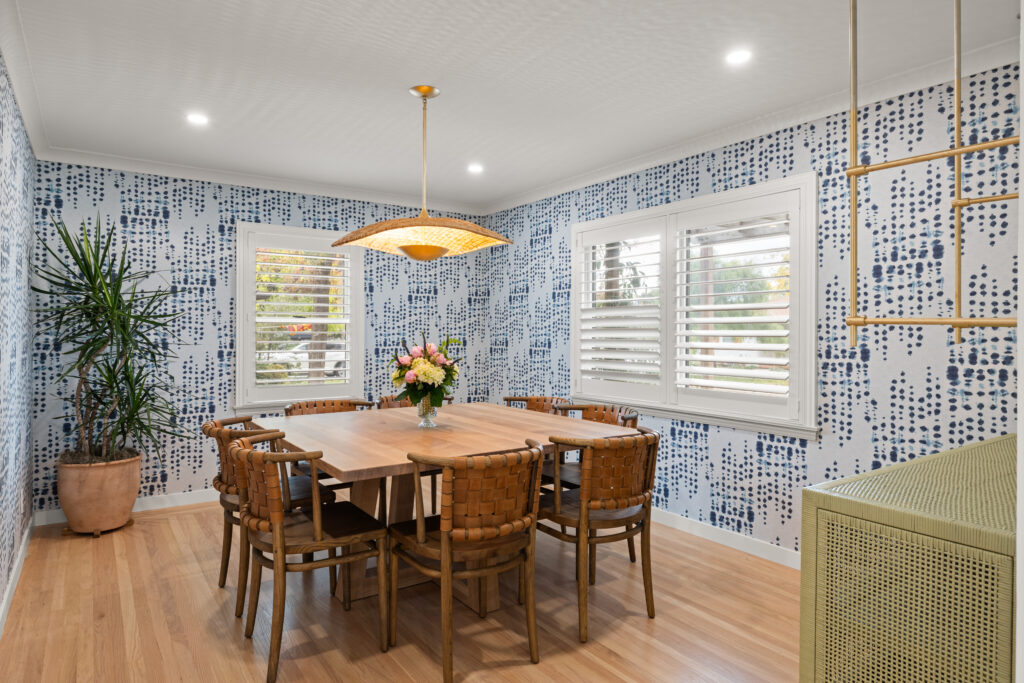
Check out this full home remodel where we took a 1950s River Park house down to the studs, uncovering hidden issues like dry rot.
Where to Start
As tempting as it is to start picking finishes, the very first thing you should do is schedule a thorough home inspection to identify critical issues such as structural damage, outdated wiring, and wood rot. In the Sacramento area, we recommend home inspection services such as North American Home Services or Sacramento Home Inspections, Inc. Home inspection costs typically range between $300 and $700.
Clarify Your Design Goals
Before any drawings or demolition, define the “why” behind your whole home remodel—remodeling for resale is different from remodeling to live in long-term, and your plan should reflect that (layout priorities, finishes, and what you upgrade).
Lock In Any Home Addition Plans
If your remodel includes adding square footage, treat it like a major structural project: finalize home addition plans early and hire a home addition contractor who can coordinate engineering, permitting, inspections, and trade scheduling—because additions often involve more zoning/permit complexity than interior-only work. A design-build contractor like DLC keeps all the design, permitting, budgeting, and construction under one roof. This single-point accountability means fewer change orders, faster timelines, and more accurate pricing compared to a general contractor who has to outsource design and coordinate multiple third parties. Once you choose a contractor, keep communication tight and get everything documented in writing.
Oftentimes homeowners will want to bring on their own designer. Not sure if you need a designer for your home remodel project? Check out our video here where we team up with Claire from Etch & Ivy Design to show how strategic window moves, door relocations, and designer-selected materials transformed a cramped family home into a functional, modern space.
Determine Your Financing Options (Before Scope Creep Happens)
Most homeowners use a mix (cash, equity options, and other financing) to finance their whole home remodel. The earlier you set a realistic budget, the easier it is to make smart scope decisions without constant redesign. See below for more information.
Decide The Diy Vs. Pro Split
Even skilled homeowners typically bring in licensed pros for the heavy technical work (especially plumbing and electrical), while DIY tasks may include demo/hauling/painting and other finish work depending on your skill level.
Plan For Permits And Timelines (Especially On Larger Scopes)
Permits can be quick for small work, but larger-scale projects—especially those involving zoning for a home addition—can take many weeks or months.
Safety First In Older Homes
If your house was built before 1978, you need to plan for potential lead-based paint, and many older homes may also contain asbestos in common materials—so safety and proper handling should be built into your scope and schedule.
How To Finance A Home Remodel
Here are common financing paths homeowners use—each with tradeoffs depending on your goals, timeline, and risk tolerance:
Savings / Cash
Not surprisingly, cash is the most straightforward option since there is no payback or interest involved. Cash/savings is typically the leading renovation funding source. Read below if you don’t have enough cash.
Home Equity Loan (Fixed, Lump Sum)
A fixed-rate equity loan is a lump sum amount that you draw from your equity. You then pay it back with predictable, fixed monthly payments at a constant interest rate over a set term (like 5-30 years). This option is great at reducing risk if interest rates rise since it provides fixed, guaranteed payment amounts. Remember that your home is collateral, meaning that if you default on the loan, the lender can foreclose on your property!
HELOC (Flexible Line Of Credit)
A HELOC functions more like a credit card, providing access to funds as you need them, up to an approved limit. You can access funds as needed over a specified “draw period” (typically 5-10 years), only paying interest on the amount you actually borrow, not the entire approved limit. This option is great for ongoing remodeling projects spanning over several years. The main drawback here, as compared to the fixed-rate equity loan, is that interest rates are variable and can make monthly payments unpredictable. Similar to the fixed-rate equity loan, our home is collateral, meaning that if you default on the loan, the lender can foreclose on your property.
Cash-Out Refinance
Whereas a HELOC is a type of second mortgage that functions like a credit card, allowing you to borrow funds when needed, a cash-out-refinance replaces your entire existing mortgage with a new, larger one, providing a lump sum of cash. A cash-out refinance is similar to a fixed-rate equity loan in that both options allow you to receive a lump sum of cash and also typically offer fixed, guaranteed payments. The main difference again is that a cash-out refinance replaces your entire existing mortgage with a new, larger one, while a home equity loan is a separate second mortgage you take on in addition to your original loan.
Renovation Mortgages (Purchase Or Refinance + Remodel In One Loan)
- FHA 203(k): An FHA 203(k) loan is a type of loan used strictly for financing specific, approved home renovations, with funds paid directly to contractors. Standard and limited options are available and typically require more paperwork and have additional oversight requirements (e.g. must use an FHA-approved contractor) than the other loans mentioned above.
- Fannie Mae HomeStyle Renovation: Unlike the government-backed FHA 203(k) loan, the Fannie Mae HomeStyle Renovation loan is a conventional loan. This is a better choice if you have a stronger credit score, want to finance “luxury” items like swimming pools, or want to cancel mortgage insurance in the future.
- Freddie Mac CHOICERenovation: A conventional option similar to Fannie Mae HomeStyle Renovation but with an emphasis on projects that improve a home’s safety, livability, energy efficiency, and disaster resilience (e.g., flood or earthquake resistance). However, this type of loan is less commonly available amongst lenders. Ultimately, Fannie Mae HomeStyle offers more flexibility for general or luxury upgrades whereas Freddie Mac CHOICERenovation would be a better option if disaster-proofing is a priority.
Credit Cards (Limited Use)
Because remodeling costs often exceed credit limits, credit cards are not practical for funding an entire remodel, but can be used for specific purchases such as small projects that you can pay off fast and take advantage of 0% intro offers.
No matter which route you go, it’s still a good idea to talk with an attorney, financial advisor, or someone you trust before you decide.
Our Services
- FAQs
FAQs About Full Home Remodels
A full home remodel cost depends on the size of the home, the level of finish, and how many major systems are involved. Projects that include kitchens, bathrooms, flooring, structural changes, and utility upgrades typically fall into a higher tier than cosmetic renovations. The best way to understand cost is to evaluate scope early—layout, permits, selections, and sequencing all impact the final budget.
In Sacramento, full home remodel costs vary widely based on scope and complexity. Projects that include multiple bathrooms, custom cabinetry, structural changes, or high-end selections typically require a larger investment. Because pricing depends on layout, system upgrades, and finish choices, the best way to understand cost is to inquire directly for a custom quote based on your home and goals.
The fastest way to get an accurate remodel quote is through an early feasibility and scope review. We start by understanding your goals, reviewing the existing layout, and identifying the key cost drivers—such as kitchens, bathrooms, structural changes, and utility upgrades. From there, we can provide a clear custom estimate based on your home and priorities rather than generic averages.
Full home remodel timelines vary based on project scope, permitting, and product lead times. Many whole-home renovations take several months, especially when multiple rooms, inspections, and custom finishes are involved. The best timelines come from front-loaded planning—finalizing layouts, selections, and sequencing early so work doesn’t stall mid-project.
- Contact Us
How to Contact DLC Step by Step
Professional Whole-Home Remodeling in Sacramento
Follow these steps to transform your old home
- Visit us: Visit D. Loesch Construction to view high-ROI transformations.
- Submit Form: Share your remodel vision and budget goals through our secure online form.
- Receive Call: Our team will call you to discuss your project timeline and expectations.
- Free Consultation: Receive a comprehensive strategy session to plan your home’s transformation.
- Site Visit: Book your detailed, stud-to-finish in-home project evaluation within 24 hours.
Contact Number
(916) 208-3406
dloesch@dlcbuilt.com