
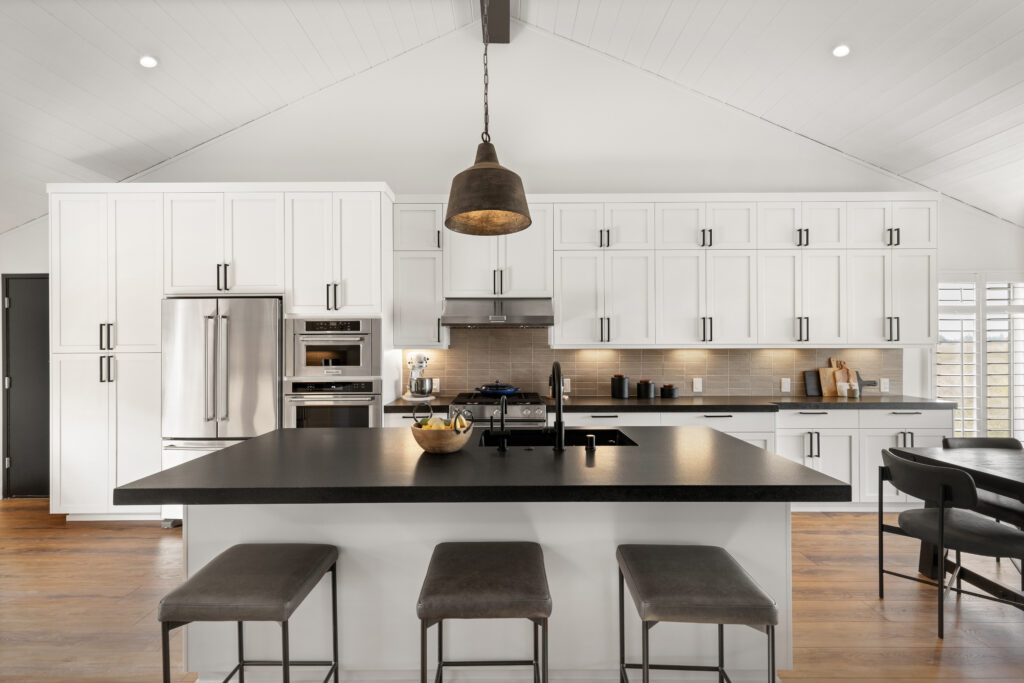
Expert Remodeling for Kitchens, Bathrooms, and Everyday Living
Kitchen and bathroom remodels are where good planning makes the biggest difference—because layout, plumbing, electrical, ventilation, and waterproofing all have to work perfectly behind the scenes. As a Sacramento kitchen & bath remodel contractor, we handle the full process from design and selections to permits, scheduling, and high-quality installation—so your new kitchen or bathroom looks incredible, functions better every day, and adds real resale value.
Whether you’re planning a modern kitchen remodel with improved workflow and lighting, or you’re trying to understand master bathroom remodel cost before committing to a primary suite upgrade, the smartest projects start with feasibility, sequencing, and clear scope decisions—solved on paper before demo begins.
Kitchen & Bathroom Remodel Contractor in Sacramento
Kitchen and bath remodels aren’t just “new finishes.” They involve structural considerations, plumbing locations, electrical loads, ventilation design, waterproofing details, and inspections that all have to work together. We coordinate the project as one integrated plan—so cabinets don’t land where the plumbing needs to go, lighting isn’t an afterthought, and the final inspection isn’t a scramble.
Key scopes we typically manage and coordinate include:
- Layout planning + feasibility (what’s possible in your home)
- Selections and lead-time planning (cabinets, tile, fixtures, appliances)
- Permit drawings + scheduling inspections
- Structural changes (when applicable)
- Electrical upgrades (circuits, lighting plans, panel considerations)
- Plumbing strategy (keep vs move locations, venting and drain routing)
- Ventilation + moisture control
- Finish installation + punch list
Full-service kitchen and bath remodeling—from planning to final inspection
A successful kitchen or bathroom remodel depends on how well systems are coordinated behind the walls. Plumbing, electrical, ventilation, waterproofing, structure, and finishes all have to align for the space to perform well long-term. DLC manages these elements as one unified plan instead of isolated trade scopes—resulting in smoother builds and better outcomes.
What to expect when working with a design-build remodel team
Design-build means one team handles design, feasibility, budgeting, permitting, and construction. This approach reduces miscommunication, minimizes change orders, and allows layout and system decisions to be solved on paper before construction starts.
How we keep budgets, timelines, and communication on track
Most remodel stress comes from unclear scope and late selections. We front-load the planning phase—layout validation, finish direction, and lead times—because the fastest remodel is the one where decisions aren’t being made mid-demo. We also build schedules around inspections and long-lead items so work doesn’t stall waiting on cabinets, tile, or specialty fixtures.
Kitchen Remodel Services
A kitchen remodel can be anything from targeted upgrades to a full structural rework. The best approach depends on how you use your home, what’s not working today, and whether you’re solving for resale, long-term livability, or both. Many homeowners come to us wanting a modern kitchen remodel—but “modern” isn’t just a style. It usually means cleaner sightlines, better lighting, improved storage, and a layout that supports real daily routines.
We design and build kitchen remodels across Sacramento homes of all ages, from older layouts needing modernization to newer homes requiring better workflow.
Full kitchen remodels (layout, cabinets, counters, lighting, flooring)
Full kitchen remodels are ideal when the existing kitchen doesn’t support daily function—poor workflow, limited storage, dim task lighting, or “pinch points” where people get stuck. These projects often include new cabinetry and surfaces, improved lighting plans, upgraded ventilation, and sometimes structural changes to open up the space or improve sightlines.
From a technical standpoint, full remodels are also where the biggest behind-the-walls decisions happen:
- Do we keep plumbing where it is or relocate the sink/dishwasher?
- Does the hood/vent route work (and meet code)?
- Do we need additional circuits for modern appliances?
- Can an island work without creating clearance problems?
- Are we removing a wall—and is it structural?
Considering removing walls or opening up your kitchen but unsure what’s involved structurally? In the video below, we break down what it takes to remove a bearing wall in a real Sacramento kitchen remodel—how engineering, sequencing, and inspections come together to make it safe and clean.
Partial kitchen remodels and targeted upgrades
Not every kitchen needs a total reset. In many homes, targeted improvements can deliver a big usability upgrade without full demolition. Examples include:
- Improving lighting (better task lighting + layered ambient lighting)
- Reworking cabinet storage (pantry solutions, pull-outs, trash pull-outs)
- Adjusting an island or peninsula for better circulation
- Upgrading countertops/backsplash while keeping cabinet layout
- Improving ventilation (quiet, correctly sized hood and ducting)
The key is choosing upgrades that actually solve the problem—not just cosmetic changes that leave the layout pain points intact.
Kitchen remodel before and after: what changes the space most
The biggest “before and after” transformations usually come from function-first decisions:
- Fixing workflow (prep → cook → clean)
- Increasing usable storage (not just more cabinets)
- Upgrading lighting (task lighting is what makes a kitchen feel high-end)
- Improving ventilation (especially in open-concept homes)
New counters look great, but layout, lighting, and ventilation are what make a kitchen feel like a different room—and stay comfortable to use for years.
This is also what separates a modern kitchen remodel that feels good to live in from one that just looks updated in photos.
Bathroom Remodel Services
Bathrooms are one of the most expensive rooms per square foot because they combine plumbing, waterproofing, ventilation, tile, glass, and detailed finishes in a small space. The goal isn’t just a nicer look—it’s comfort, durability, and moisture control that prevents long-term damage.
Our bathroom remodel work spans Sacramento’s diverse housing stock, where layout constraints and code requirements vary significantly by era and neighborhood.
Guest bathroom remodels and primary bath upgrades
Guest baths often prioritize durability and clean design. Primary baths are about daily comfort—layout, storage, lighting, and a shower/tub setup that fits how you actually live. Planning starts with function: who uses the space, whether mornings are crowded, and whether storage and lighting support real routines.
Common primary bath upgrade priorities include:
- Better shower experience (size, layout, fixtures, drainage)
- Improved storage and counter space
- Lighting that works for grooming and daily use
- A layout that doesn’t feel cramped or awkward
Walk-in showers, tubs, and wet-area waterproofing
Wet areas require correct waterproofing systems, proper slope and drainage planning, and ventilation that actually removes moisture. This is where rushed remodels fail over time. We focus heavily on:
- Waterproofing method selection and correct installation
- Drain placement and slope planning (so water doesn’t sit)
- Substrate prep and tile assembly durability
- Ventilation strategy (fan sizing and ducting routes)
ADA bathroom remodel requirements and aging-in-place design
Many homeowners remodel bathrooms with the future in mind—zero-threshold showers, wider clearances, reinforced walls for grab bars, and safer entry/exit details. These features are easiest to integrate during a full remodel when framing and waterproofing systems are already being rebuilt.
Kitchen Remodel Costs
Kitchen remodel costs depend less on square footage and more on complexity—cabinetry scope, layout changes, appliance requirements, electrical upgrades, ventilation, and whether any structural work is involved. Understanding the biggest cost drivers helps you decide where to invest and where to simplify.
How much does a kitchen remodel cost in California?
In California, kitchens often require upgrades beyond finishes—especially when you’re changing layouts, relocating appliances, or updating old electrical systems. A kitchen that keeps the same footprint and utilities can stay in a lower cost tier, while kitchens that involve wall removal, panel upgrades, and major layout rework tend to move up quickly.
Kitchen remodel cost per square foot
Cost per square foot is a helpful comparison tool, but kitchens don’t scale evenly because cabinetry, appliances, lighting, and labor density drive price. A small kitchen can be expensive if it’s highly customized or systems-heavy—while a larger kitchen may be more straightforward if scope stays simple.
Average kitchen remodel cost in Sacramento
Every property is different, but many Sacramento kitchen remodels fall into these general tiers:
- Simple: $80,000–$120,000 (minor layout changes, standard finishes, limited utility work)
- Mid-range: $130,000–$200,000 (improved layout, upgraded finishes, moderate electrical/plumbing scope)
- High-end: $225,000+ (structural changes, premium cabinetry/finishes, complex systems and design)
Final cost depends heavily on layout changes, system upgrades, and product selections, which is why early feasibility planning matters more than averages.
Where kitchen remodel budgets deliver the most value
If resale is a factor, buyers respond most to kitchens that feel bright, functional, and durable. Layout, lighting, quality cabinetry, and clean ventilation typically deliver stronger value than trend-driven finishes.
Bathroom Remodel Costs
Bathroom remodel costs are driven by wet-area scope, plumbing changes, waterproofing systems, tile coverage, and glass/fixture selections. Bathrooms can look similar in photos but vary dramatically in complexity behind the walls—especially when you’re planning a primary suite.
If you’re researching master bathroom remodel cost, the biggest variables usually come down to shower size and waterproofing complexity, plumbing relocation, tile coverage (and tile labor), glass/door systems, ventilation upgrades, and fixture level.
How much does a bathroom remodel cost?
Bathroom remodel costs vary widely based on scope, layout changes, and wet-area complexity. A guest bathroom that keeps plumbing in place and uses standard tile and fixtures is very different from a primary or master bathroom remodel with a custom shower, upgraded ventilation, extensive tile coverage, and higher-end finishes.
Costs increase most when you:
- Change plumbing locations
- Expand or reconfigure the shower or tub
- Add custom glass, tile, or waterproofing systems
- Upgrade ventilation or electrical capacity
Understanding how much flexibility you have in layout and finishes early helps control budget and avoid mid-project surprises.
Bathroom remodel cost California
Bathroom remodel costs in California are often higher than national averages because of stricter building codes and inspection requirements, especially around ventilation, electrical safety, and waterproofing. Modern code standards require properly sized exhaust fans, GFCI-protected outlets, and approved waterproofing systems in showers and wet areas, all of which add labor and material scope compared to older construction.
While these requirements do increase upfront cost, they significantly reduce long-term risks like moisture damage, electrical hazards, and premature tile or fixture failure. When planned correctly, code-compliant bathrooms are not only safer but more durable and easier to maintain, protecting both your investment and your home over time.
Bathroom remodel ROI and what drives value
Bathrooms play a major role in buyer confidence. Buyers may not know the technical details—but they recognize quality immediately. Strong ROI comes from remodels that feel solid, clean, and thoughtfully built, not just visually updated.
The biggest value drivers include:
- Correct waterproofing and tile installation
- Quiet, effective ventilation
- Clean, modern lighting
- A layout that feels comfortable and usable
Bathrooms that feel rushed or poorly executed can hurt perceived value—even if finishes look expensive.
Walk-in shower vs bathtub resale value
In many Sacramento homes, a well-designed walk-in shower is a strong resale asset—especially in a primary or master bathroom remodel. Buyers appreciate larger showers, clean glass, and easy access.
However, resale value depends on the overall bathroom mix in the home. Homes with families still benefit from having at least one bathtub. Removing the only tub in the house can limit appeal, even if the shower is beautifully built.
Kitchen Layout and Design Ideas
Design is more than finishes—layout and usability determine whether your remodel feels like a true upgrade. We focus on the things that improve daily life: workflow, storage, lighting quality, and durable selections that don’t feel outdated in five years.
Kitchen layout ideas that add value (workflow, storage, sightlines)
The best kitchens prioritize movement and visibility—efficient work triangles, smart prep zones, and clear sightlines that make the home feel open. Storage planning often matters more than size.
A strong layout is built around workflow and “friction reduction.” That means:
- Clear prep zones near the sink and fridge
- Efficient distance between sink, cooktop, and storage
- Islands sized for real circulation (not just for looks)
- Sightlines that keep the home feeling connected
Small kitchen remodel ideas that maximize space
Small kitchens benefit most from precision planning. Tall cabinetry, integrated storage, efficient appliance placement, and layered lighting can dramatically improve usability without expanding the footprint.
Strategic layout adjustments often deliver more impact than cosmetic upgrades alone.
Materials and finishes that hold up to real life
Durability matters more than trends. Kitchens see constant use, moisture, heat, and wear, so materials should perform well long-term.
We guide homeowners toward:
- Durable countertops that resist staining and heat
Easy-to-clean backsplash materials - Quality cabinet hardware and drawer systems
- Finishes that age well rather than feel dated quickly
Bathroom Layout and Design Ideas
Bathroom layouts should support real routines—morning prep, storage needs, and comfort—while managing moisture and lighting effectively. Small changes in layout often have outsized impact on usability.
Small bathroom remodel ideas that feel bigger
Smart storage, better lighting, and clean sightlines can make a small bath feel larger. Layout changes—like relocating a vanity or opening a shower—can improve function without increasing square footage.
Small baths often improve dramatically with:
- Better layout efficiency (vanity sizing and placement)
- Glass and lighting choices that open up sightlines
- Storage upgrades that reduce clutter
- Showers designed for usable space, not just code minimums
Lighting, ventilation, and storage upgrades that matter
Bathrooms need:
- Lighting that works for grooming and daily routines
- Ventilation that actually removes moisture
- Storage that prevents clutter buildup
These behind-the-scenes upgrades are often what separates a basic remodel from a premium-feeling space.
Tile, fixtures, and durability choices that impact long-term performance
Bathrooms fail when water gets where it shouldn’t. Durable tile assemblies, correct waterproofing methods, quality fixtures, and proper sealing details matter for long-term performance—not just appearance.
Permits and Code Requirements
Do you need permits for a kitchen remodel?
Permits are typically required when:
- Plumbing or electrical is moved or added
- Ventilation systems are modified
- Structural work is performed (wall removal, beam installs)
Purely cosmetic updates may not require permits—but most functional remodels do.
When bathroom remodels require permits and inspections
Bathroom permits are common due to:
- Plumbing changes
- Waterproofing assemblies
- Electrical upgrades
- Ventilation requirements
Inspections verify work is done correctly before finishes conceal it.
Electrical, plumbing, ventilation, and GFCI requirements
Modern codes address:
- GFCI protection
- Circuit load requirements
- Ventilation rates
- Safe plumbing practices
Planning around these early prevents inspection delays and rework.
Kitchen Remodel Timeline
Kitchen remodel timeline by phase (demo → rough-ins → finishes)
Most kitchens follow this sequence:
- Demolition
- Structural and rough framing
- Plumbing and electrical rough-ins
- Inspections
- Drywall
- Cabinet installation
- Countertops and finishes
- Final trim and punch list
How long does a kitchen remodel take?
Many kitchen remodels take 8–16 weeks after permits, depending on scope and product lead times. Kitchens with structural work or highly custom cabinetry can run longer.
How to avoid schedule delays (selections, lead times, inspections)
Delays usually come from late selections, backordered products, or failed inspection readiness. We reduce this risk by locking key decisions early and building a realistic schedule around lead times.
Bathroom Remodel Timeline
Bathrooms are smaller than kitchens but often more detail-heavy. Waterproofing, tile work, glass, and inspections create a sequencing chain that needs to be managed carefully—especially in a one-bath home.
Bathroom remodel timeline by phase (demo → waterproofing → tile → fixtures)
Bathrooms typically follow:
- Demo
- Rough-ins
- Waterproofing
- Tile installation
- Fixtures and trim
- Final inspections
Cure times are part of the schedule and shouldn’t be rushed.
How to plan for a one-bath home during construction
If you only have one bathroom, planning becomes essential. Many homeowners arrange temporary solutions or phase work strategically. We help you plan around daily life so the remodel is manageable.
Common timeline delays and how to prevent them
Most remodel delays don’t come from construction itself—they come from decisions made late or not at all. The most common causes are delayed fixture selections, specialty tile or cabinetry lead times, and inspection coordination issues.
Preventing delays starts with front-loaded planning. When layouts, finishes, and long-lead items are finalized early, the project can move continuously instead of stopping to wait on decisions or materials. Clear planning and realistic scheduling are what keep a remodel predictable.
Value, ROI, and Resale
Kitchen and bathroom remodels are two of the strongest value drivers in a home—but the best ROI comes from a remodel that improves function, durability, and buyer confidence, not just surface finishes.
Kitchen vs bathroom remodel: which adds more value?
Kitchens often have the biggest impact on buyer perception because they’re central to daily life and open living spaces. A well-designed kitchen can influence how buyers feel about the entire home.
Bathrooms still matter significantly—especially primary suites—but which remodel delivers more value depends on what’s currently holding the home back. In some homes, a dated or poorly functioning bathroom creates more buyer hesitation than an outdated kitchen. We help homeowners prioritize based on real-world resale dynamics, not general assumptions.
Best kitchen upgrades for resale
Buyers respond most to kitchens that feel bright, functional, and durable. Layout quality, usable storage, good lighting, and solid cabinetry consistently outperform trend-driven finishes. A kitchen that feels easy to use and well-built will age better—and hold value longer—than one designed purely around aesthetics.
Bathroom remodel ROI: what buyers notice most
In bathrooms, execution quality matters more than finish price. Buyers quickly notice clean tile work, good lighting, proper ventilation, and showers that feel comfortable and substantial. They also notice when corners were cut—misaligned tile, cheap fixtures, or moisture issues can undermine confidence fast.
A bathroom that feels solid and well-planned signals long-term reliability, which is why behind-the-scenes quality plays such a big role in ROI.
How to Save Money Without Cutting Corners
Saving money on a remodel isn’t about choosing the cheapest materials—it’s about managing complexity. The biggest cost increases usually come from unnecessary layout changes, rushed decisions, or scope changes during construction.
Simplifying layout and utility changes while investing in durable systems is usually the smartest path.
How to save money on a kitchen or bath remodel
Some of the most effective cost-saving strategies include keeping plumbing locations in place, avoiding unnecessary wall movement, choosing durable mid-range finishes, and finalizing selections early. These decisions reduce labor, inspections, and the likelihood of delays—without sacrificing performance.
Where to splurge vs where to simplify
It makes sense to invest where performance and longevity matter most: cabinetry quality, waterproofing systems, lighting, and ventilation. These elements directly affect how the space functions and how long it lasts.
Areas like overly complex tile patterns or highly customized decorative details can often be simplified without affecting durability or daily use.
Keeping plumbing locations vs moving walls (real cost impacts)
Moving plumbing or walls adds labor, inspections, and risk—even when changes seem minor. Keeping existing locations often allows homeowners to put more of their budget into visible upgrades like finishes and fixtures, while keeping timelines and costs more predictable.
Common Kitchen & Bathroom Remodel Mistakes
Most remodel regrets come from early decisions—layout, scope, or rushed selections—not from the final paint color. Knowing the common failure points helps homeowners plan smarter from day one.
Layout mistakes that hurt daily function
Even beautiful kitchens and bathrooms can feel frustrating if the layout doesn’t work. Poor workflow, tight clearances, insufficient storage, and bad lighting placement can make a space feel awkward long after construction is finished.
Layout decisions should always be tested against real daily use—not just how the space looks on paper.
Waterproofing and ventilation mistakes that cause long-term damage
Moisture problems rarely show up immediately, but they’re among the most expensive failures over time. Inadequate waterproofing, poor drain slopes, or underpowered ventilation can lead to mold, tile failure, and structural damage.
Budget and selection mistakes that lead to change orders
Change orders usually stem from unclear allowances, late selections, or shifting scope mid-project. Clear documentation, early decisions, and realistic expectations dramatically reduce surprises and keep budgets intact.
Our Services
- FAQs
FAQs About Kitchen & Bathroom Remodeling
Often yes, but comfort depends on scope. Kitchen remodels disrupt cooking routines, and bathroom remodels affect daily logistics—especially in one-bath homes. With proper planning and sequencing, most homeowners are able to remain in the home throughout construction.
A solid quote should clearly define scope, allowances, timeline assumptions, permit responsibilities, and what is—and isn’t—included. Clarity upfront prevents misunderstandings later.
The first step is a feasibility and planning conversation to define goals, validate layout options, establish a realistic budget range, and map out permitting and timeline expectations before demolition begins.
- Contact Us
How to Contact DLC Step by Step
Elite Kitchen & Bathroom Remodeling in Sacramento
Follow these steps to transform your kitchen and bathroom:
- Visit us: Visit D. Loesch Construction for modern design ideas.
- Submit Form: Complete our online form with your desired fixtures and layout preferences.
- Receive Call: We will call you to review your design goals and material options.
- Free Consultation: Get a professional design consultation focused on layout and functionality.
- Site Visit: Schedule your technical site assessment and precision measurement within 24 hours.
Contact Number
(916) 208-3406
dloesch@dlcbuilt.com